
Independent flaxseed oil guidance
Choose Flaxseed Oil With Confidence
Compare liquid oils and softgels, understand labels, learn proper storage, and explore practical ways to use plant-based ALA omega-3—without hype or miracle claims.
Label-first comparisons
Official product facts, not invented scores
Evidence-aware education
Clear sourcing and careful health language
Global reader focus
Availability and labels may vary by country
Start with the right format
Popular Flaxseed Oil Choices
Organic Liquid Oil
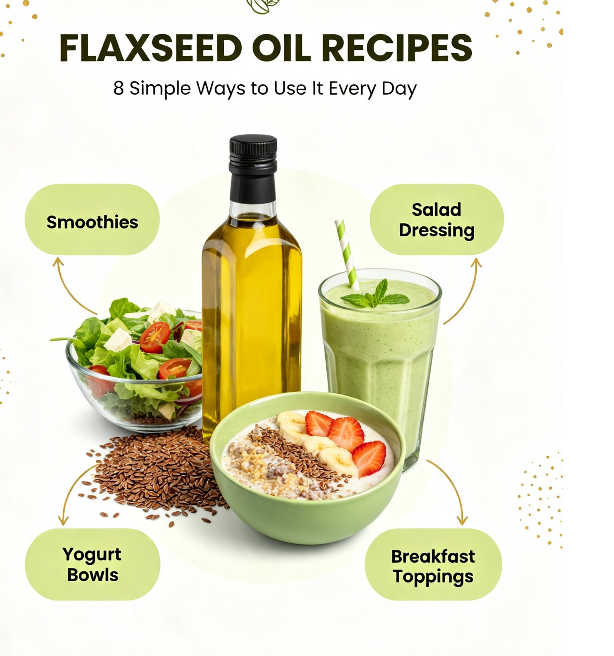
Best for salad dressings, smoothies, yogurt, and readers who want a simple food-format oil.
Softgels
Best for convenience, travel, and people who prefer a measured capsule format.
High-Lignan Oil
A less-filtered option with flax particulate. Shake well and compare labels carefully.
What Matters When You Buy
Flaxseed oil is sensitive to heat, light, and air. A useful comparison looks beyond marketing and checks the format, processing method, packaging, freshness instructions, serving information, and your local availability.
- Processing: look for clear cold-pressed and unrefined labeling when that is your preference.
- Packaging: opaque or dark containers help limit light exposure.
- Storage: follow the product label; many liquid oils require refrigeration after opening.
- Format: liquid oil is versatile, while softgels are easier to travel with.
- Claims: avoid products promoted as miracle cures or substitutes for medical care.
Explore the Flaxseed Oil Library
Use & Storage
Learn how to store liquid oil, understand heat sensitivity, and use it in everyday foods.
Safety
Read cautious guidance about side effects, allergies, pregnancy, and medication questions.
Independent Information, Clear Disclosures
Our current product links go to official brand pages and do not earn us a commission. If affiliate links are added later, we will disclose them clearly. This website provides general educational information and does not provide medical advice.